Here's an overview over all the features available on the Nivel platform.
Targeted subsidies and fees
Apply incentives and fees by vehicle type, location, time, and emission profile to steer behaviour. Encourage cleaner trips and right-time availability while ensuring spending delivers measurable impact.
Interaction with public transport
Strengthen first-/last-mile connections at hubs and along corridors. Align parking, availability, and incentives so shared modes complement services. Multi-level access supports city and regional PTA views.
Better distribution
Guide vehicles to where they add value using data and simple incentives. Improve coverage in underserved areas, reduce clutter in hotspots, and align supply with demand throughout the day.
Vehicle caps
Set and monitor caps by area and time to balance supply with street capacity. Breaches are detected and alerted in the analytics module; follow-up is supported with data for consistent enforcement.
Vehicle availability
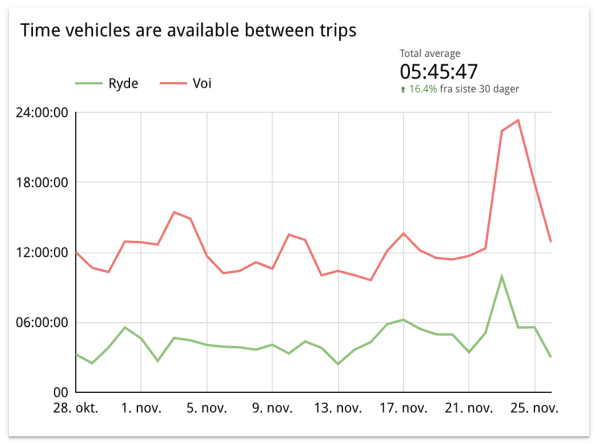
Track active, rentable vehicles by area and time to ensure service is available when people need it. Use availability trends to guide rebalancing, caps, and incentives that raise reliability.
Parking area and mobility hub monitoring and planning
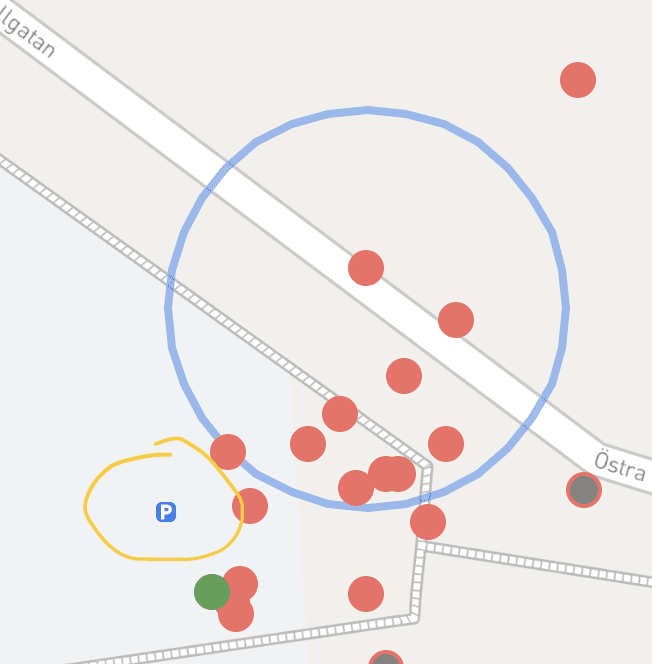
Monitor occupancy and turnover to right-size hubs and allocate space fairly. Compare by location and time, test scenarios, and plan investments that improve reliability and passenger experience.
Analytic zones with vehicle rotation view
Understand rotation and idle times inside any zone to reveal where vehicles sit too long or turn over efficiently. Minor policy changes can unlock better access and service coverage.
Trip data by vehicle and time
Explore utilisation by vehicle and time band to spot gaps and peaks. Identify underserved periods, align incentives, and verify whether rebalancing and caps are working as intended—GDPR-compliant.
Trip data start/stop
See where trips begin and end across the day and week to reveal O/D patterns and peaks. Use these insights to shape zones, size hubs, and target incentives for first-/last-mile connections — GDPR-compliant.
Temporary zones
Apply time-bound rules for events, seasons, or works. Set parking restrictions, caps, or slow areas that start and stop automatically—keeping the public realm functional without manual reconfiguration.
Operators’ response times
Measure two dimensions of responsiveness: (1) reviewed vs not reviewed, and (2) outcomes—fixed, MDS-fixed, rejected, not fixed. Compare by provider, area, and time band to drive faster, more consistent service.
Poor parking app
Enable staff and citizens to report misparked vehicles with photo and precise location. Reports are routed to the responsible provider instantly; tasks are created and resolution is tracked—reducing admin and restoring access quickly.
Tasks for operators
Give providers a complete, actionable queue for poor-parking reports and overflow alerts, with locations, photos, and due times. Bulk resolve or reject with reasons, and track status to closure. (Cap breaches are monitored in analytics.
Automated overflow alerts
Keep zones balanced by detecting excessive vehicle counts in real time. When limits are exceeded, alerts create operator tasks and follow-up—preventing clutter, protecting access, and maintaining coverage in priority areas.
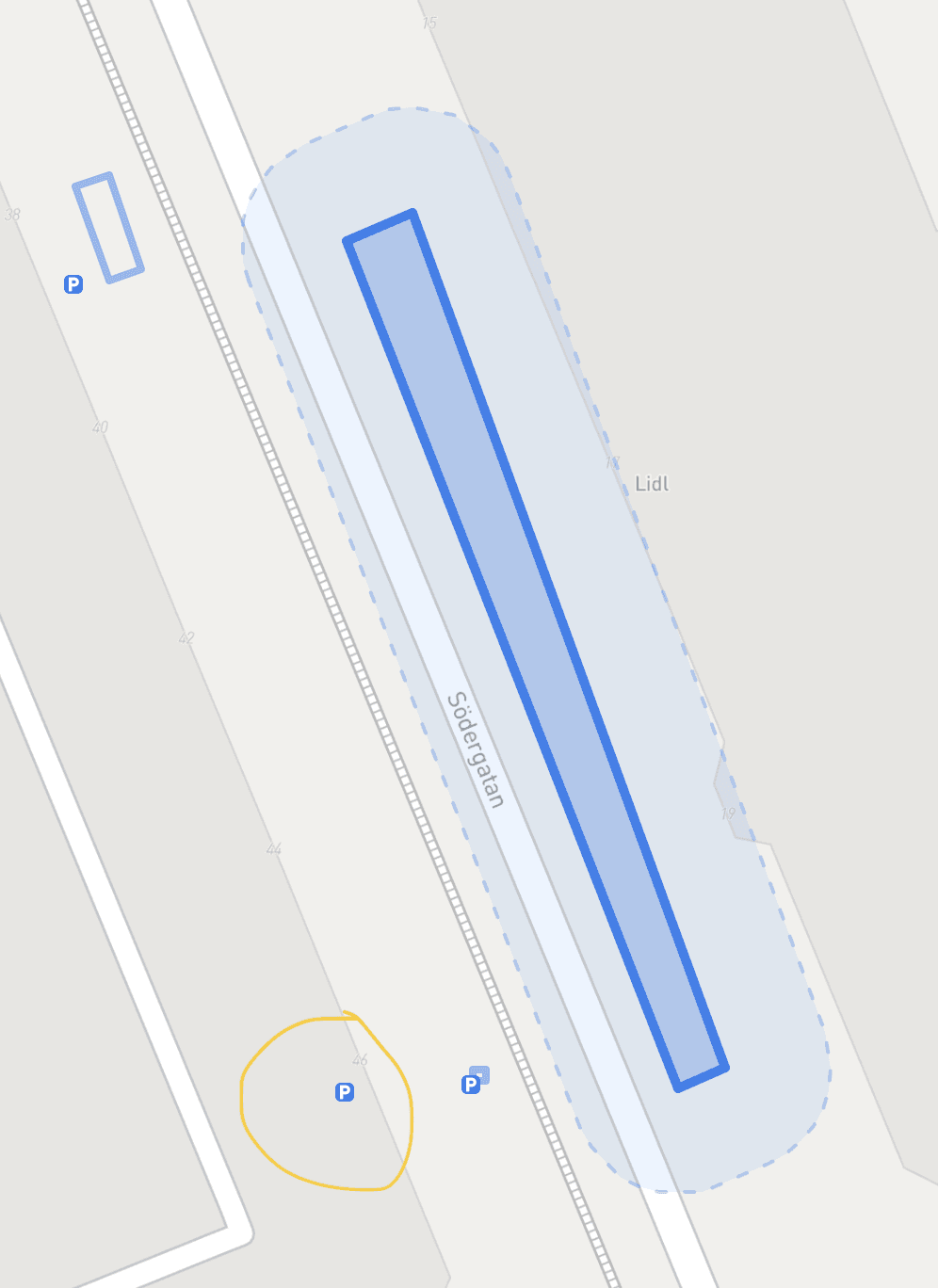
Dedicated parking areas
Define clear parking areas and enforce them digitally. Buffer zones account for GPS drift so correctly parked vehicles are counted as compliant, while negative buffer zones help detect obvious misparks. Streets stay usable and complaints drop.